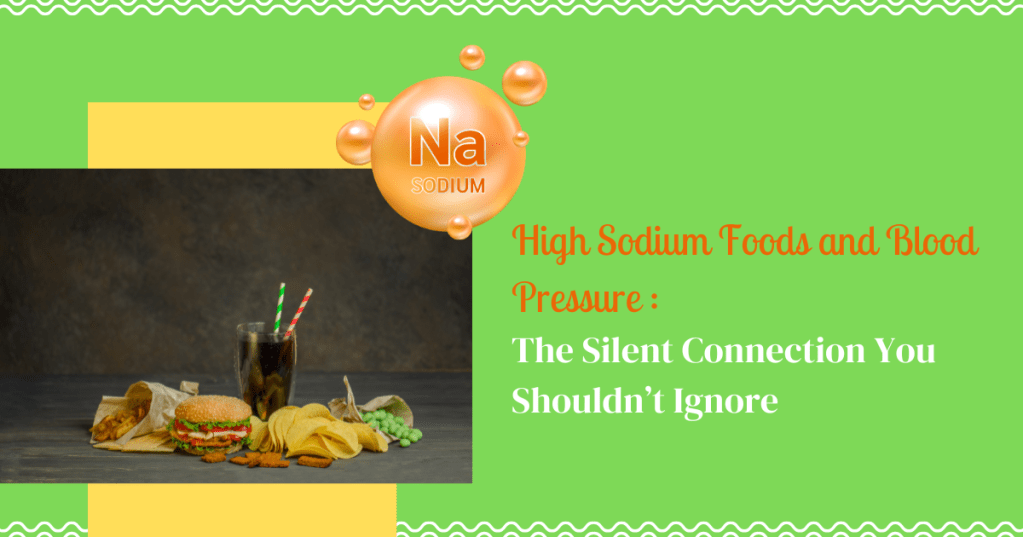
When it comes to maintaining good health, one of the biggest silent threats often overlooked is sodium intake. While our bodies need a small amount of sodium to function properly, high sodium foods have become a staple in modern diets, especially with the growing consumption of packaged and processed meals. Unfortunately, this excess salt is directly linked to a spike in blood pressure, increasing the risk of heart disease, stroke, and kidney problems.
Why High Sodium Foods Are Harmful for Your Heart?
Sodium plays a role in maintaining fluid balance, but too much of it makes the body retain water. This extra fluid puts pressure on your blood vessels, leading to hypertension (high blood pressure). According to the World Health Organization (WHO), adults should limit sodium intake to less than 2,000 mg per day, yet studies in India and abroad show people consume nearly double this amount.
Cities like Delhi, Mumbai, and Bangalore, where fast food culture dominates, are seeing alarming increases in lifestyle-related diseases tied to sodium-rich diets.
Common High Sodium Foods You Should Watch Out For
Many high-sodium culprits hide in everyday meals. Here are the top offenders:
- Restaurant meals – often loaded with added salt and sauces
- Packaged snacks: chips, Namkeen, popcorn
- Processed meats: sausages, bacon, ham
- Instant noodles and soups
- Pickles and papads
- Canned foods: baked beans, soups, vegetables
- Restaurant meals – often loaded with added salt and sauces
The Link Between High Sodium Foods and Blood Pressure
When you consume too much sodium, your blood vessels stiffen and narrow, making it harder for blood to flow. Over time, this can cause:
- Persistent high blood pressure.
- Increased risk of heart attack or stroke.
- Greater strain on kidneys, leading to chronic kidney disease
This is why healthcare experts and dietitians often recommend following a High Blood Pressure Diet Chart that emphasizes fresh, whole foods and limits sodium intake.
Smarter Food Choices to Reduce Sodium Intake
The good news is that small swaps can make a big difference:
- Replace table salt with rock salt, herbs, or lemon juice for flavor.
- Choose fresh vegetables, lentils, and whole grains over packaged meals.
- Opt for grilled or steamed dishes instead of fried or processed ones.
- Read nutrition labels carefully when buying packaged products.
Tips to Build a Heart-Friendly Routine
- Stay hydrated with water, coconut water, or herbal teas.
- Include potassium-rich foods like bananas, spinach, and sweet potatoes, which help counteract sodium’s effects.
- Practice mindful eating by preparing more meals at home.
- Regular exercise and stress management further reduce hypertension risk.
Final Thoughts
Ignoring the dangers of high sodium foods can silently damage your health over time. By making conscious food choices and following a balanced high blood pressure diet chart, you can protect your heart and overall well-being. If you feel confused about how to plan your meals, consulting the Best Dietitian in India can provide you with a customized, sustainable plan that fits your lifestyle.
Also check: Low Sodium Foods
 Best Diet Plan By Dietitian Sheenam
Leave a comment